suspended ducting is a popular method of air distribution in commercial and industrial buildings. It consists of a network of ducts that are suspended from the ceiling or walls of a building, rather than being installed on the floor or walls. This type of ducting is commonly used in buildings where space is limited, or where a more aesthetic appearance is desired.
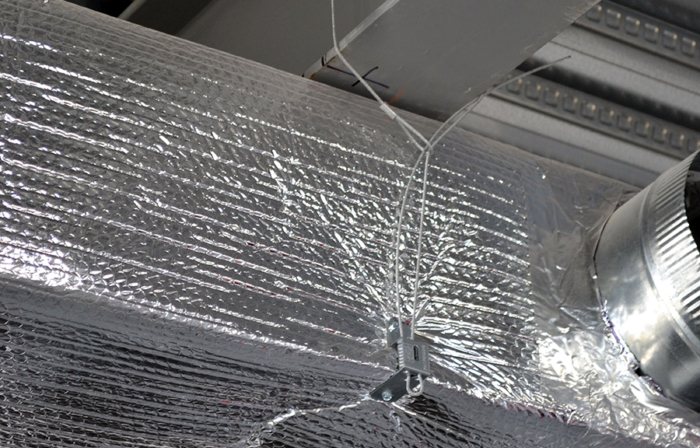
There are several advantages to using suspended ducting in a building. One of the main benefits is its space-saving design. By suspending the ducts from the ceiling, valuable floor space is freed up for other uses. This can be particularly beneficial in buildings with high ceilings or limited floor space. suspended ducting can also create a cleaner and more organized look in a building, as the ducts are hidden from view and do not clutter up the walls or floors.
Another advantage of suspended ducting is its ease of maintenance. Since the ducts are easily accessible from below, they can be cleaned and serviced more easily than ducts that are installed in walls or floors. This can help to ensure that the air distribution system operates efficiently and effectively, with minimal downtime for repairs. Additionally, suspended ducting is often made from lightweight materials, which makes installation and maintenance easier and less costly.
suspended ducting is also a versatile option for air distribution in a building. It can be customized to fit a wide range of building layouts and designs, and can be installed in a variety of configurations to meet the specific needs of the building. This flexibility makes suspended ducting an attractive option for architects and designers who want to create a unique and efficient air distribution system in a building.
There are several uses for suspended ducting in commercial and industrial buildings. One common application is in HVAC systems, where the ducts are used to distribute heated or cooled air throughout a building. Suspended ducting can help to create a more even distribution of air, which can improve the comfort and efficiency of a building’s heating and cooling system. It can also be used to deliver fresh air from outside the building, helping to maintain indoor air quality and reduce the risk of mold and other indoor pollutants.
Suspended ducting is also commonly used in buildings where noise control is important. The ducts can be lined with sound-absorbing materials to help reduce noise levels from the HVAC system, creating a more comfortable and productive work environment for building occupants. In addition, suspended ducting can be used to distribute sound throughout a building, such as in a concert hall or theater, to create a more immersive and engaging audio experience for audiences.
In conclusion, suspended ducting is a versatile and efficient option for air distribution in commercial and industrial buildings. Its space-saving design, ease of maintenance, and flexibility make it a popular choice for architects, designers, and building owners alike. Whether used in HVAC systems, for noise control, or for other purposes, suspended ducting can help to create a more comfortable, efficient, and aesthetically pleasing indoor environment.